By: Melvin Flomo
WhatsApp: 0778677647
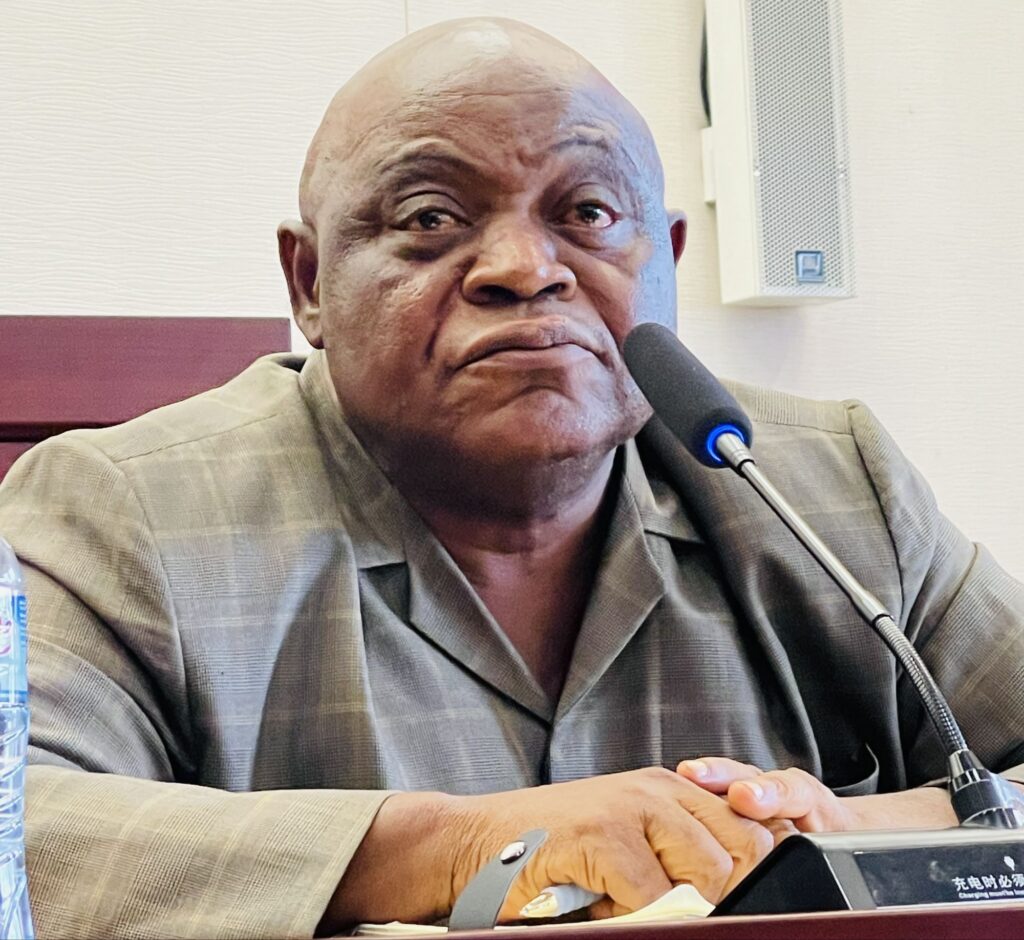
The Chairperson-designate of the National Elections Commission (NEC), Mr. Jonathan K. Weedor, has assured members of the Liberian Senate that the commission under his leadership will remain independent, transparent, and nonpartisan in the discharge of its constitutional responsibilities.
Appearing before senators during his confirmation hearing on Thursday, May 28, 2026, Weedor pledged to uphold the electoral law, enforce the NEC code of conduct, and ensure equal treatment for all political stakeholders across the country.
“If confirmed, I shall ensure that the NEC is guided by integrity, impartiality, independence, and transparency,” Weedor told lawmakers. “We will act in a nonpartisan manner, implement the electoral law and code of conduct fully, treat all stakeholders equitably, operate free from external influence, and maintain openness and timely communication with stakeholders.”
The NEC boss-designate described integrity, education, and years of experience as key attributes that qualify him to lead the elections body at what he termed a critical period in Liberia’s democratic journey.
He further promised to prioritize professionalism, effective management, and quality service delivery, especially for voters and other election stakeholders. According to him, prudent use of resources and institutional sustainability would remain central to his administration if confirmed by the Senate.
Weedor also reflected on Liberia’s democratic progress since 2005, noting that the country has continued to conduct peaceful elections and strengthen democratic governance through the will of the people.
“Since 2005, Liberia’s democratic journey has been remarkable,” he stated. “Through collective sacrifice, we have built a system where leadership is determined by the people—not by force. The National Elections Commission has been central to that progress.”
He credited previous NEC leaderships for advances in voter registration, civic education, and electoral administration, but acknowledged that significant challenges still exist within the country’s electoral system.
According to Weedor, operational inefficiencies, inconsistent funding, technological limitations, logistical constraints, barriers affecting persons with disabilities, and the spread of misinformation on social media continue to threaten public confidence in Liberia’s democracy.
“We must commend those who have served before us, but also acknowledge ongoing challenges,” he said. “If left unaddressed, these challenges risk undermining public trust in our democracy.”
His appearance before the Senate forms part of the confirmation process for senior government officials nominated by the Liberian presidency.
About the Author