By: Samuel B Johnson
WhatsApp: 0778815473
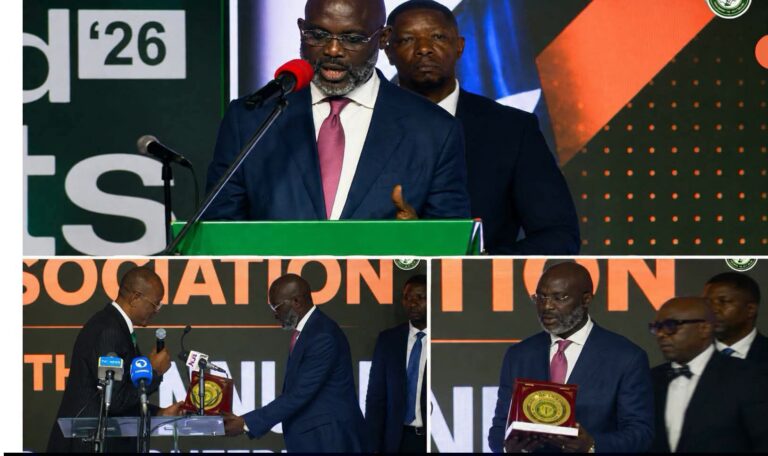
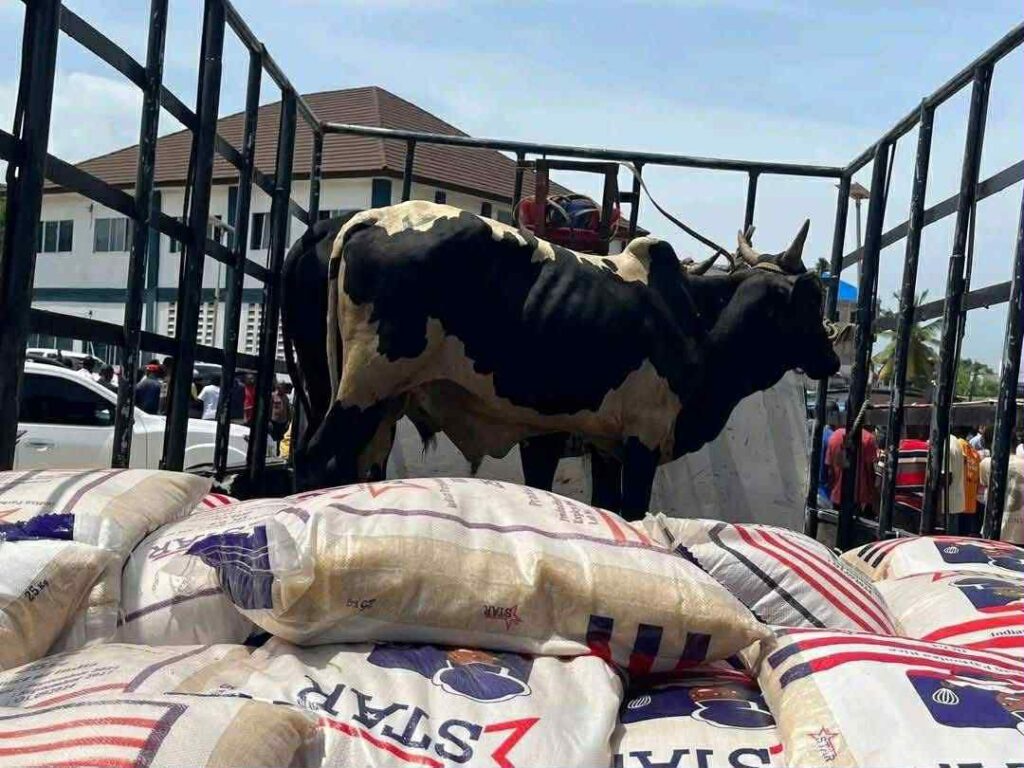
The family of the late former First Lady Nancy Doe has declined a condolence gift from former President George Weah. The gift, which included two cows, US$5,000 in cash, and 50 bags of 25kg rice, was pledged during Mr. Weah's weekend visit to the grieving household. However, the family has refused the donation without publicly stating the reason behind the rejection.
The rejection has sparked discussions both online and offline, with many Liberians questioning the underlying reasons for the refusal. Tensions between the Doe family and the former president have previously surfaced, with Mamie Doe, daughter of the late First Lady, accusing Mr. Weah of mistreating her mother during her lifetime.
Mr. Weah strongly denied the allegations during his recent visit, maintaining that he had always treated Mrs. Doe with respect befitting her status as a former First Lady of Liberia. Despite his efforts to express sympathy, the Doe family has chosen not to accept his condolence gift.
The rejection of the condolence gesture has raised questions about the relations between the Doe family and the former president. Many are speculating about the reasons behind the family's decision, with some wondering if it was a gesture of disrespect or a sign of deeper issues.
The incident has sparked a heated debate, with some defending Mr. Weah's actions and others supporting the Doe family's decision. The controversy highlights the complexities of Liberian politics and the challenges of navigating sensitive relationships.
As the nation mourns the loss of former First Lady Nancy Doe, the rejection of Mr. Weah's condolence gift has added a new layer of complexity to the situation. The incident has brought attention to the ongoing tensions between the two families and raised questions about the future of their relationship.
The Doe family's decision to decline the condolence gift has sent a strong message, leaving many to wonder what this means for the future of Liberian politics. As the country continues to navigate its complex political landscape, one thing is certain: the actions of its leaders will be closely watched and scrutinized.
About the Author