By: Cassell Samson-0888448672
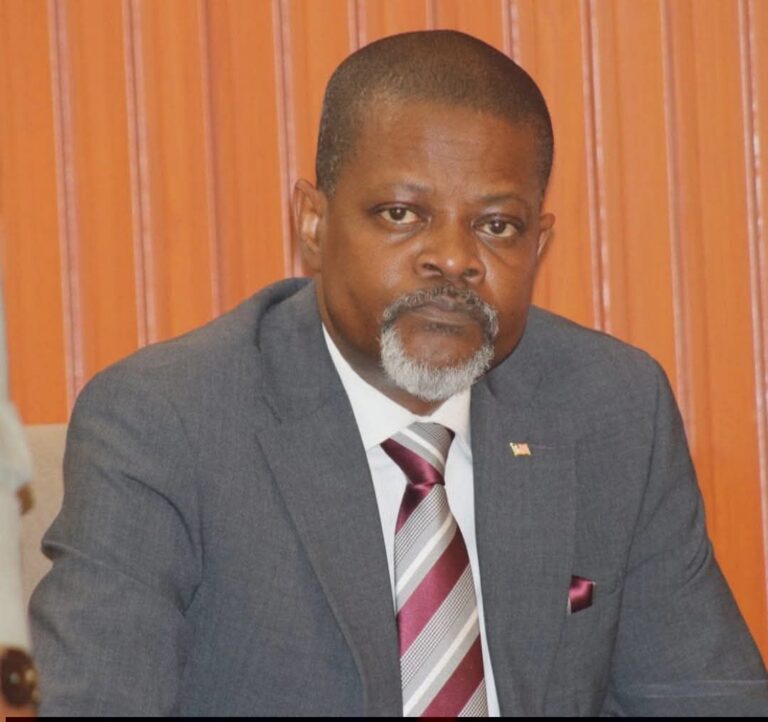
The Land Administrator of Grand Bassa County, Mr. Victor Brown, has emphasized that the Land Rights Act of 2018 guarantees all Liberian citizens the right to own property regardless of age or gender.
Speaking during an inclusive interviewed with Journalists recently, Brown explained that the land rights Act recognizes four categories of land, including private land, government land, customary land, and public land, while providing stronger legal protection for land ownership across Liberia.
According to him, the law grants customary communities the right to own and manage their land and ensures that citizens who have long-standing ties to a community can legally access and own property within those areas.
Brown noted that the Land Rights Act, together with Article 22 of the Liberian Constitution, affirms that land ownership is reserved for Liberian citizens, while also safeguarding the rights of women, youth, and children to own property.
He explained that foreign nationals who wish to acquire land rights in Liberia must do so through lawful means, including naturalization or lease agreements, in accordance with existing laws and regulations.
Brown further noted that the Land Rights Act has strengthened citizens’ rights by providing clear legal protections for property ownership and inheritance, thereby promoting greater security of tenure throughout the country.
He then disclosed that one of the major achievements of his administration since taking over Grand Bassa County land office has been the survey of government-owned properties in Buchanan City, many of which previously lacked legal titles and documentation.
The Grand Bassa County Land Administrator said surveys have been completed on most government facilities in the city, with deeds currently being prepared for eventual transfer to county authorities for registration and protection.
Brown further revealed that the 2018 law has significantly improved land governance by promoting inclusive decision-making and ending practices that previously restricted women and other groups from owning customary land.
Addressing challenges faced by citizens in accessing land, the veteran land Administrator acknowledged that some traditional communities initially resisted the reforms due to longstanding cultural practices, but noted that public awareness campaigns are gradually increasing acceptance of the law.
He encouraged citizens facing land disputes to first seek assistance from the Liberia Land Authority, stressing that the institution remains the primary body responsible for handling land matters and protecting the rights of property owners across the country.
About the Author