By: Melvin Flomo
WhatsApp: 0778677647
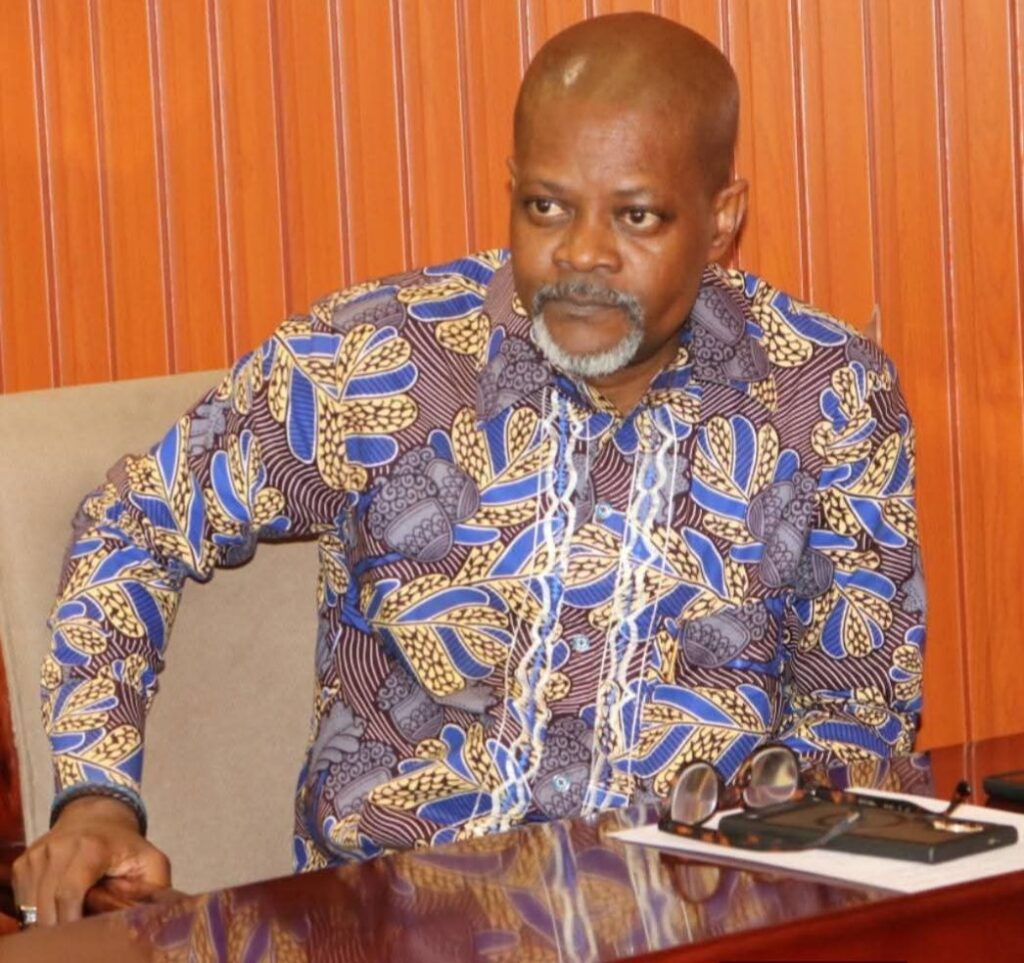
Montserrado County Senator Abraham Darius Dillon has firmly dismissed allegations accusing him of harboring hatred against the Krahn people of Grand Gedeh County following the Liberian Senate’s decision not to confirm Hon. George Solo for an ambassadorial appointment.
The allegation was made by Peter Solo, a brother of Hon. George Solo, who reportedly accused Senator Dillon of frustrating his brother’s confirmation as Liberia’s Ambassador to Belgium due to alleged tribal bias against the people of Grand Gedeh County.
But responding to the claims, Senator Dillon described the accusation as “unfortunate, misleading, and dangerous” to Liberia’s peace, unity, and democratic stability.
Speaking in his capacity as Chairman of the Senate Committee on Foreign Affairs, Dillon clarified that the Senate’s role in confirmation proceedings is guided strictly by constitutional and diplomatic procedures rather than tribal considerations or personal sentiments.
According to the Montserrado lawmaker, when the President nominates an individual for an ambassadorial post, the nominee must first receive a Diplomatic Note of Affirmation from the receiving country, indicating that country’s willingness to accept the nominee upon confirmation and appointment by the Liberian Government.
“In the case of Mr. George Solo, the only formal communication transmitted to the Liberian Senate by His Excellency President Joseph Nyumah Boakai, Sr. referenced Italy and not Belgium as has been publicly alleged,” Senator Dillon stated.
He further emphasized that the Senate only acts based on official communications from the Executive Branch and does not interfere with internal administrative decisions within the Presidency.
“We do not interfere with the administrative happenings in the Executive, except through the formal communication sent to the Senate surrounding the confirmation of nominees,” Dillon asserted.
The Senator stressed that confirmation proceedings in the Liberian Senate are determined by governance, competence, integrity, and national interest, and not by tribal affiliation or political favoritism.
He warned that attempts to inject tribal narratives into governance matters risk undermining Liberia’s democratic progress and reconciliation efforts achieved over the years.
“Liberia has made significant progress in promoting reconciliation and peaceful coexistence among all ethnic groups, and reckless statements capable of inflaming divisions should not be allowed to reverse those gains,” Dillon cautioned.
The Montserrado Senator also reaffirmed his respect for all Liberian tribes and counties, including the people of Grand Gedeh, whom he described as an important part of Liberia’s social and political fabric.
According to him, his political engagements and years of public service demonstrate his commitment to inclusiveness, fairness, and equal representation across the country.
The allegation from Peter Solo has since generated mixed public reactions, with several citizens and stakeholders reportedly rejecting what they described as unsubstantiated tribal accusations against the Senator.
Meanwhile, Senator Dillon called on public officials, supporters, and political actors to exercise responsibility and restraint when discussing national governance issues, especially matters relating to state appointments and confirmation proceedings.
He maintained that inflammatory and divisive utterances intended to exploit tribal sentiments for political purposes are unhealthy for Liberia’s democracy and distract attention from pressing national concerns.
Under Article 56 of the 1986 Constitution of Liberia, the Liberian Senate is constitutionally mandated to conduct confirmation hearings for presidential nominees and decide whether such nominees should be confirmed or rejected.
About the Author