By: Melvin Flomo
WhatsApp: 0778677647
Capitol Hill, Liberia – February 12, 2026
In a decisive move aimed at repositioning Liberia on the global economic stage, the Liberian Senate has mandated key government institutions to present a comprehensive and actionable plan to boost investment and tourism.
The directive, issued by the Senate Plenary, instructs the Secretary of the Senate, J. Nanborlor F. Singbeh, Sr., to formally invite the National Investment Commission (NIC), the Ministry of Foreign Affairs (MoFA), and the Liberia National Tourism Authority (LNTA) to appear before a Committee of the Whole within two weeks.
Triggered by Global Engagement in Dubai
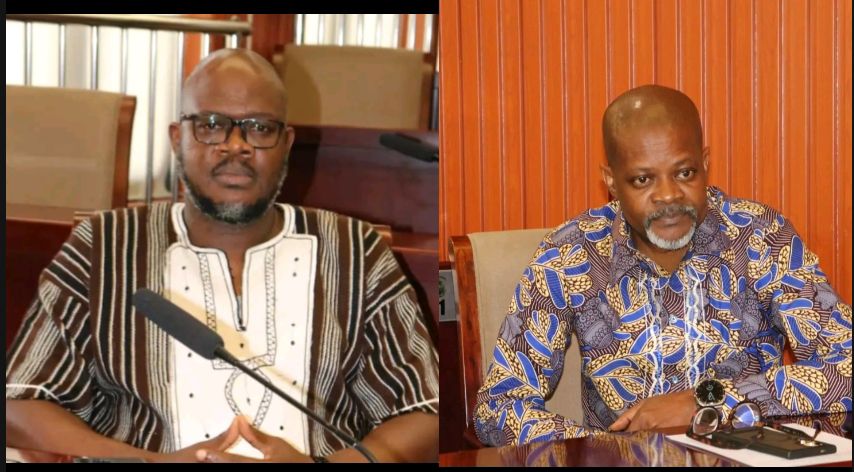
The Senate’s action follows a communication from Montserrado County Senator Abraham Darius Dillon and Nimba County Senator Nya D. Twayen, Jr., who recently represented Liberia at the World Government Summit held in Dubai from February 3–5, 2026.
In their joint communication to Plenary, the lawmakers highlighted what they described as a “critical gap” in Liberia’s international economic engagement framework. According to the Senators, their interactions at the global summit revealed that Liberian embassies across the world lack structured investment opportunity packages, clearly defined incentive frameworks, and coordinated tourism promotion strategies.
They argued that this absence significantly weakens Liberia’s ability to attract foreign direct investment (FDI) and position itself competitively in the global tourism market.
Shift Toward Economic Diplomacy
The Senators emphasized that Liberia’s evolving foreign policy direction seeks to prioritize economic diplomacy over traditional aid dependency. However, they warned that without standardized and professionally developed investment and tourism materials, embassies are ill-equipped to effectively market Liberia’s potential to investors and international partners.
“A structured investment opportunity package is essential to projecting Liberia’s new diplomatic direction,” the communication noted, stressing that economic diplomacy must be supported by tangible tools and coordinated national strategies.
Senate Demands Actionable Plan
The NIC, MoFA, and LNTA are now expected to present before the Committee of the Whole a detailed roadmap outlining:
• Liberia’s priority investment sectors
• Available incentives and legal frameworks
• Bankable projects ready for promotion
• A coordinated tourism development and branding strategy
• Mechanisms for supporting embassies in organizing investment forums abroad
Should it be established that such a strategic plan is currently lacking, the Senate has signaled its intention to mandate the immediate development of one. Once finalized, the document would be distributed to all Liberian embassies worldwide.
Empowering Embassies as Economic Hubs
The lawmakers believe that equipping embassies with structured investment portfolios and tourism promotion tools will transform Liberia’s diplomatic missions into proactive economic hubs. These missions would then be positioned to organize investment forums in host countries, directly engaging potential investors and promoting Liberia as a viable and competitive destination.
Such efforts, according to the Senators, could significantly enhance foreign direct investment inflows, stimulate job creation, and diversify Liberia’s economy beyond its traditional reliance on extractive industries.
Broader Economic Implications
The Senate’s intervention underscores growing legislative interest in aligning foreign policy with national development goals. By demanding institutional coordination and measurable action, the Upper House is signaling that economic diplomacy must move from rhetoric to implementation.
Observers note that if effectively executed, the initiative could mark a turning point in Liberia’s global engagement strategy—one that prioritizes strategic marketing, sectoral competitiveness, and investor confidence.
The NIC, MoFA, and LNTA are expected to appear before the Senate Committee of the Whole within two weeks to respond to the concerns raised and outline the way forward.
As Liberia seeks to redefine its place in the global economy, the coming hearings may prove pivotal in shaping a more structured and results-driven approach to investment promotion and tourism development.
About the Author