By: Melvin Flomo
WhatsApp: 0778677647
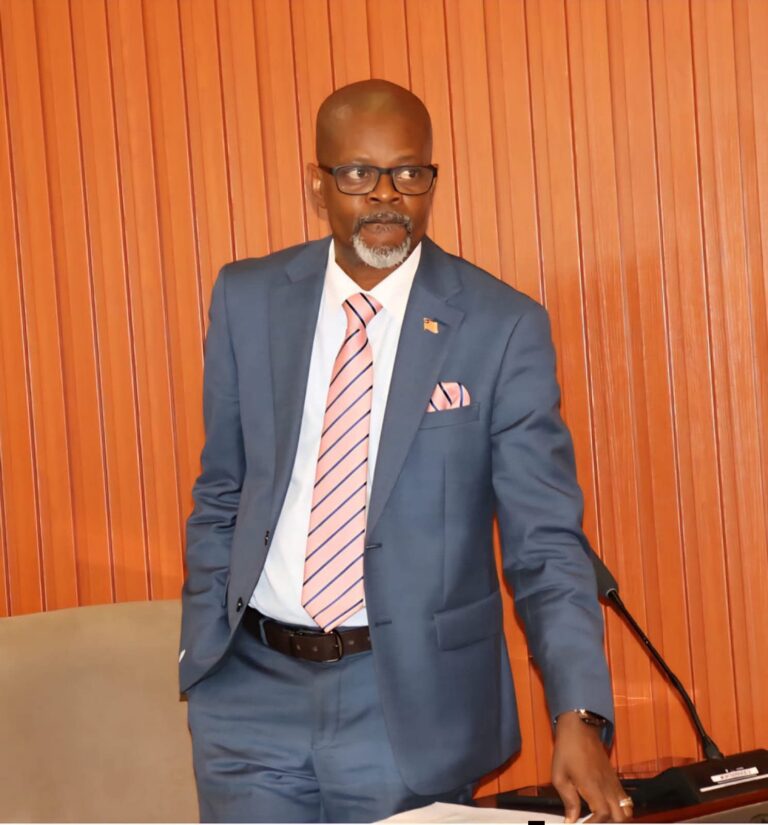
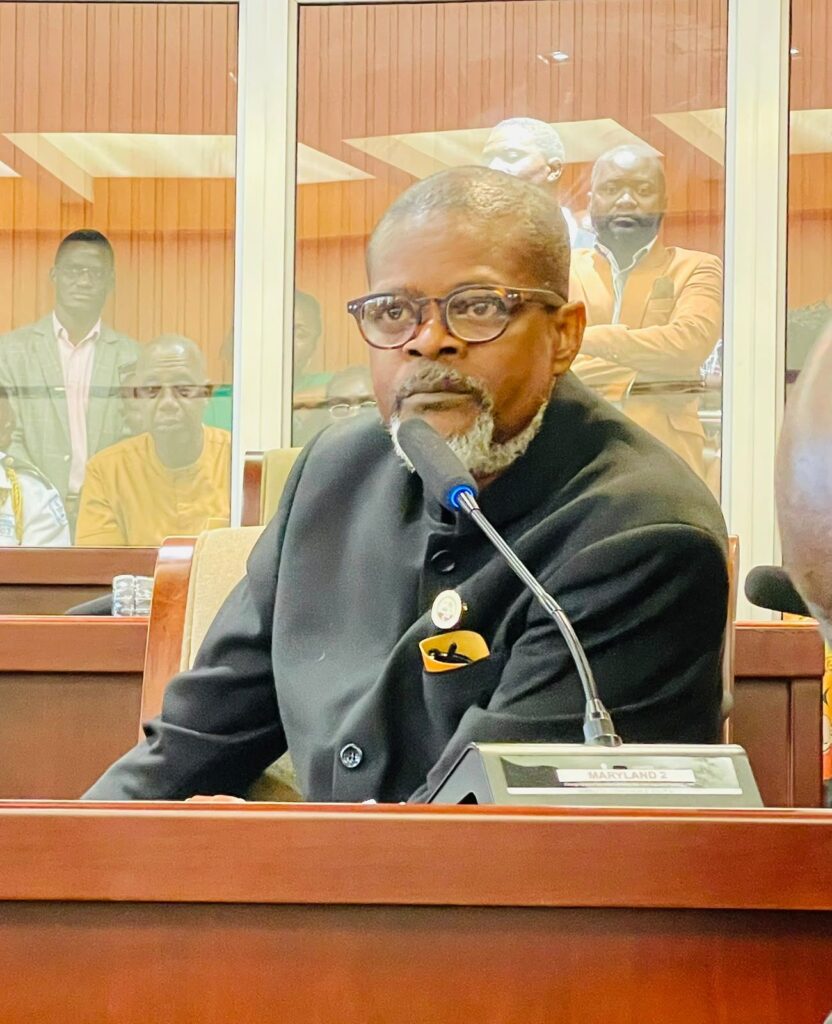
CAPITOL HILL, MONROVIA — Montserrado County Senator Abraham Darius Dillon has cautioned government ministries, agencies, and public institutions against securing loans on behalf of the Republic of Liberia without prior legislative authorization, warning that such actions would violate the country’s constitutional provisions governing public borrowing.
Senator Dillon emphasized that Article 34(d)(3) of the 1986 Constitution explicitly places borrowing authority under legislative control, requiring government to obtain the necessary legal approval before raising loans or guaranteeing financial obligations on behalf of public institutions.
The lawmaker made the statement Tuesday, November 24, 2026, during a Senate Plenary session sitting as a Committee of the Whole, where officials of the Liberia Petroleum Refining Company (LPRC), led by Managing Director Amos Tweh, appeared before lawmakers to address concerns surrounding a proposed US$30 million storage tank project and reports of a possible loan arrangement without legislative approval.
During the hearing, LPRC Managing Director Amos Tweh clarified that the entity had neither secured nor obtained a loan to finance the proposed project. He informed lawmakers that the initiative remained at the preparatory stage and that management intended to engage the Legislature before pursuing any borrowing arrangement.
The clarification appeared to ease concerns surrounding the petroleum company's compliance with constitutional requirements, prompting Senator Dillon to commend the LPRC management for what he described as a responsible approach to the country's legal and institutional framework.
Addressing the LPRC officials, the Montserrado County lawmaker expressed appreciation for their explanation and underscored the importance of ensuring that Article 34 of the Constitution is not disregarded by public institutions.
“Mr. Dear Managing Director and management, thank you for the very clear report to the Senate,” Senator Dillon stated.
However, the Senator used the appearance of the LPRC management to broaden his argument beyond the petroleum company, warning that all government entities must respect the Legislature's constitutional authority over public borrowing.
He stressed that no government institution should independently undertake financial obligations in the name of the Republic without the required legislative enactment or approval, noting that constitutional compliance must remain a fundamental principle of public financial management.
Referencing Article 34(d)(3), Dillon reiterated that the government cannot raise loans on behalf of the Republic or provide guarantees for public institutions without legislative authorization.
The constitutional provision states:
“No loan shall be raised by the Government on behalf of the Republic, or guarantees given for any public institutions like LPRC or any other public institution, or authority, unless or otherwise than by or under the authority of legislative enactment.”
Senator Dillon further expressed hope that the LPRC's clarification and commitment to seek legislative engagement before entering into any borrowing arrangement would serve as a precedent for other public corporations, government agencies, and institutions across the country.
He urged his colleagues in the Senate and the broader government structure to ensure that constitutional safeguards governing public borrowing are upheld, emphasizing that the Legislature must not be bypassed in matters involving national financial commitments.
Concluding his remarks, Dillon described the LPRC's position as a positive example of institutional compliance and called on other public entities to follow the same standard of accountability.
He maintained that borrowing on behalf of Liberia, or securing loans for public institutions using government authority, must be subjected to the Legislature's approval to prevent constitutional violations and preserve oversight over the country's financial obligations.
About the Author