By: Melvin Flomo | WhatsApp: 0778677647
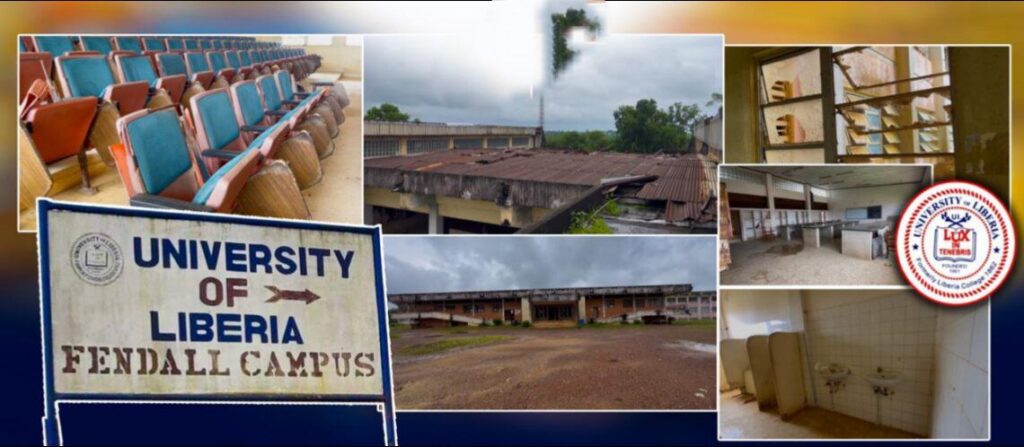
MONROVIA, Liberia – Nineteen months after University of Liberia (UL) President Dr. Layli Maparyan publicly pledged to make sanitation and campus rehabilitation a top priority, an investigation by Teeria Online Television has found that many of the institution's longstanding infrastructure problems remain unresolved, leaving thousands of students to study in deteriorating conditions.
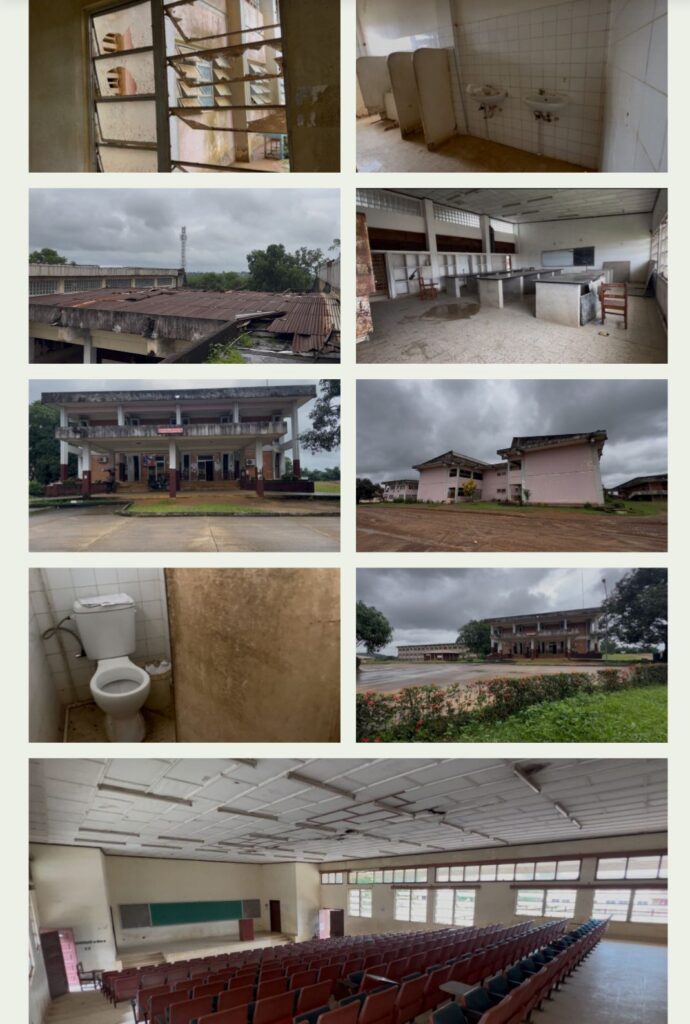
From non-functional restrooms and overcrowded science laboratories to damaged classroom furniture and aging academic buildings, the country's premier public university continues to struggle with challenges that students and faculty say undermine quality education.
When Dr. Maparyan assumed office in January 2025, she assured the university community that improving sanitation facilities would be among her administration's first priorities, acknowledging that students could not effectively learn in unhealthy conditions.
Conditions on the Ground
Despite those commitments, conditions across several campuses continue to paint a troubling picture.
Students report that many restrooms remain without reliable running water, while others are in poor sanitary condition. In some classrooms, broken chairs and desks have become commonplace, forcing students to improvise during lectures. Science students also complain that outdated and overcrowded laboratories make practical learning increasingly difficult.
Several students interviewed by local media have described the situation as discouraging, arguing that the physical condition of the university does not reflect its status as Liberia's oldest and largest public institution of higher learning.
Promises Versus Reality
The university administration has repeatedly outlined ambitious plans to modernize the institution, rehabilitate infrastructure, strengthen academic programs and improve students' learning environment. Those commitments have been reiterated during various public engagements throughout 2026.
However, the pace of implementation has become a growing concern among students, faculty members and other stakeholders who believe visible improvements have been slower than expected.
Education advocates argue that deteriorating infrastructure affects not only students' health and safety but also the overall quality of higher education and the university's ability to compete with institutions across the region.
A University Facing Multiple Challenges
The infrastructure concerns come at a time when the University of Liberia is also navigating broader institutional issues, including faculty labor disputes, funding constraints and efforts to implement academic reforms.
In recent weeks, the university has also announced plans to seek international partnerships aimed at upgrading laboratory facilities and expanding academic programs, signaling an acknowledgment that significant investment is still required.
Calls for Urgent Action
Students and education stakeholders are calling on the Government of Liberia, development partners and the university administration to accelerate infrastructure projects and ensure that commitments made to the university community are translated into measurable improvements.
For many students, the issue extends beyond broken buildings. They argue that access to safe classrooms, functioning laboratories and clean sanitation facilities is fundamental to delivering quality higher education and restoring confidence in Liberia's flagship public university.
As enrollment continues to grow, the question remains whether the pace of reform will match the expectations raised by promises of transformation—or whether thousands of students will continue learning in facilities that many describe as unfit for a modern university.
About the Author