By: Melvin Flomo
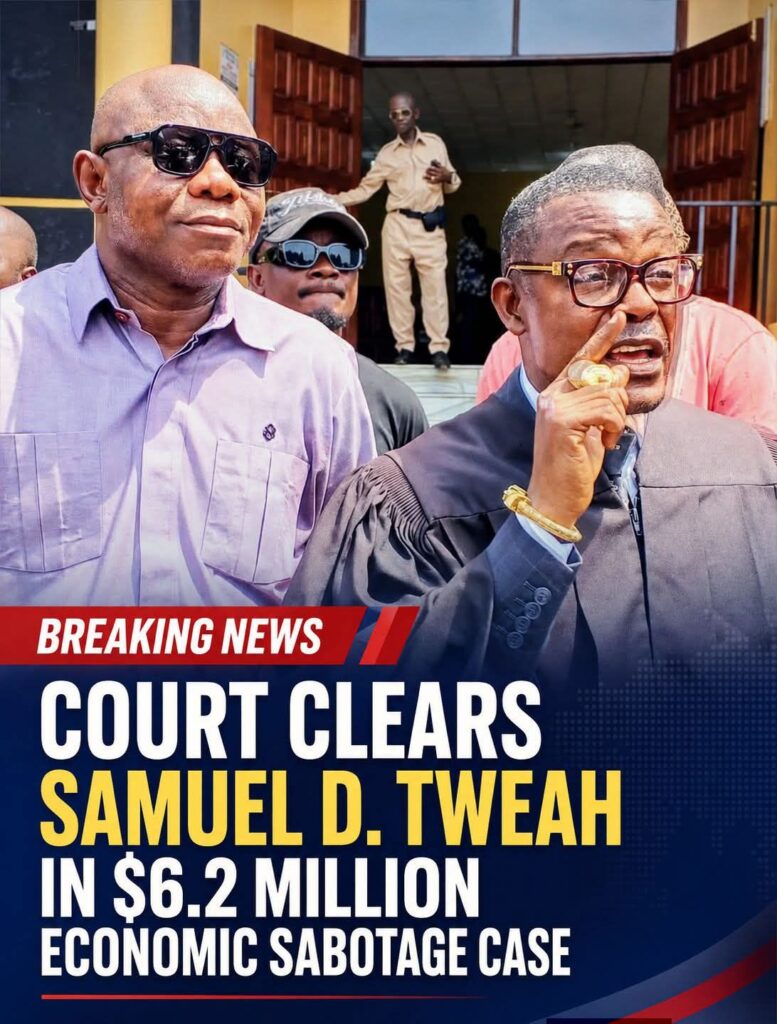
MONROVIA — Criminal Court “C” at the Temple of Justice on Friday acquitted former Finance and Development Planning Minister Samuel D. Tweah Jr. and several co-defendants in one of Liberia’s most high-profile corruption and economic sabotage cases, bringing an end to months of intense legal and political controversy.
The ruling clears Tweah, alongside former government officials Nyenati Tuan, Moses Cooper, Stanley Ford, and Jefferson Karmoh, of all charges linked to the alleged unauthorized handling of more than US$6.2 million and L$1 billion in public funds reportedly connected to national security operations during the administration of former President George Manneh Weah.
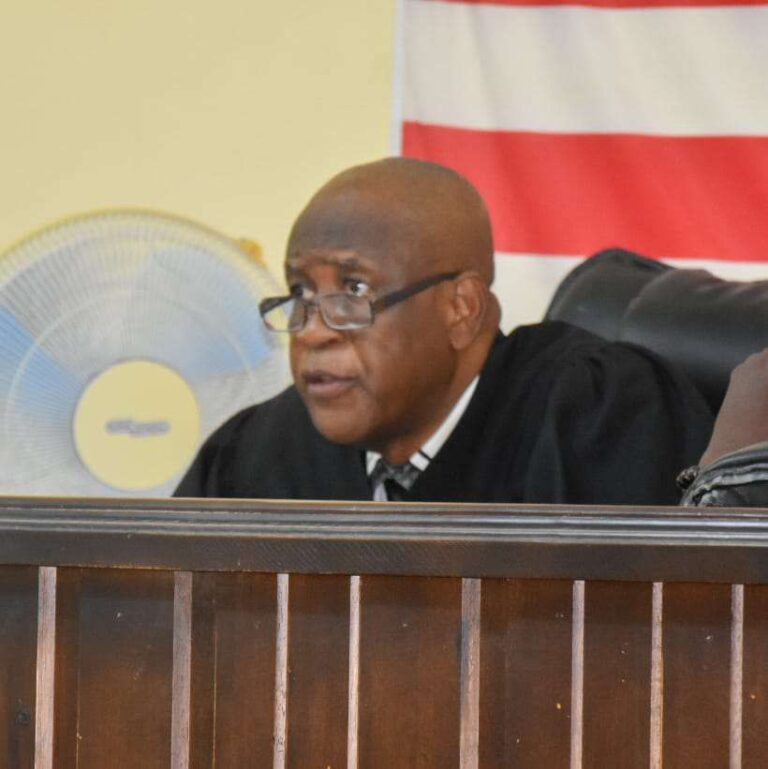
Delivering the verdict at the Temple of Justice in Monrovia, the court held that prosecutors failed to establish their case beyond a reasonable doubt, thereby ordering the full acquittal of all defendants.
The prosecution had accused the former officials of orchestrating illegal transfers from the Central Bank of Liberia into accounts associated with the Financial Intelligence Agency (FIA), in alleged violation of Liberia’s public financial management and anti-corruption laws. State lawyers further argued that the transactions lacked proper supporting documentation and legislative authorization.
However, defense lawyers consistently maintained that the funds were expended for sensitive national security purposes and therefore fell within the scope of executive security operations under the previous CDC-led administration.
The case attracted significant national attention earlier this year after the Supreme Court of Liberia ruled on questions surrounding presidential immunity. The high court clarified that while a sitting or former president may enjoy constitutional protection for official acts carried out in office, such immunity does not automatically extend to appointed government officials. That decision paved the way for Criminal Court “C” to proceed with the matter after prolonged legal disputes over jurisdiction and immunity claims.
Throughout the proceedings, courtroom arguments were marked by fierce exchanges between prosecutors and defense attorneys. The government insisted it possessed evidence showing unlawful withdrawals and misuse of state resources, while the defense countered that the prosecution was politically driven and failed to prove criminal intent or personal benefit by the accused.
Friday’s judgment is expected to generate mixed reactions across Liberia’s political and legal landscape. Supporters of Tweah and the former ruling Coalition for Democratic Change (CDC) have welcomed the verdict as a triumph of justice, due process, and the rule of law. Meanwhile, anti-corruption advocates and critics of the former administration are likely to question the outcome in what many considered a major test of the Unity Party government’s commitment to fighting corruption.
Legal analysts say the case also represents a significant moment in Liberia’s evolving jurisprudence regarding accountability in public office, executive authority, and the management of confidential national security expenditures.
Moments after the ruling, jubilant supporters gathered outside the Temple of Justice chanting slogans and celebrating the acquittal as Tweah exited the courthouse surrounded by sympathizers and political allies.
The verdict closes another major chapter in Liberia’s ongoing debate over governance, transparency, and the limits of executive power in the management of state resources.
About the Author