By: Melvin Flomo
Monrovia, Liberia – Jeremiah Kpan Koung has called on the Liberian Senate to take decisive and sustained legislative action to reposition tourism as a major driver of economic growth, urging lawmakers to prioritize increased budgetary allocations and long-term policy support for the sector.
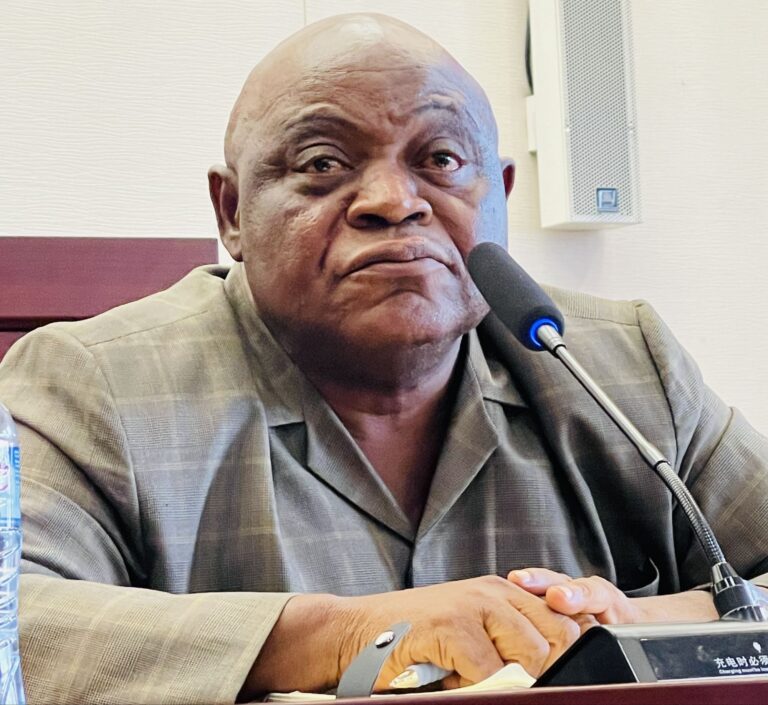
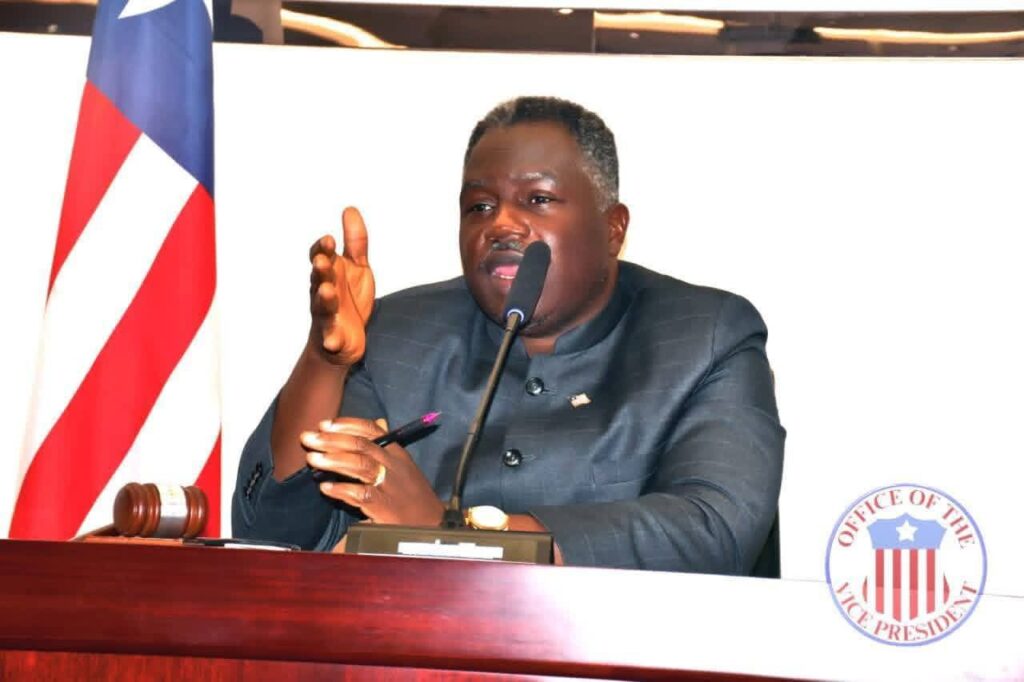
Speaking Thursday in his capacity as President of the Liberian Senate, Vice President Koung emphasized that meaningful transformation in Liberia’s tourism industry will require strategic planning, firm legislative backing, and consistent financial commitment from the national government.
His remarks came during a Senate session in which officials of the newly established Liberia Tourism Authority (LTA), alongside representatives of the Ministry of Foreign Affairs, presented updates on ongoing reforms and outlined plans aimed at revitalizing and expanding the country’s tourism footprint.
Reviving Iconic Landmarks
A significant portion of the Vice President’s address focused on the urgent need to restore Liberia’s historic hospitality infrastructure. He highlighted the long-abandoned Ducor Palace Hotel and Hotel Africa, describing both as nationally symbolic assets with strong historical and economic value that remain underutilized due to years of neglect.
“These facilities represent not only our history but also untapped economic opportunity,” he noted, stressing that their rehabilitation could reposition Liberia as a competitive destination in West Africa.
Vice President Koung proposed structured public-private partnerships (PPPs) as a practical pathway to redevelopment. He encouraged the government to engage credible international investors willing to co-finance and execute large-scale reconstruction projects. According to him, restoring the two hotels to international standards could exceed US$100 million in investment—an undertaking he described as ambitious but necessary.
Expanding Tourism Beyond Hospitality
Beyond infrastructure rehabilitation, the Vice President underscored the importance of diversifying Liberia’s tourism offerings. He pointed to the potential for water-based tourism—including regulated boat rides and coastal recreational activities—if supported by proper safety and transportation infrastructure.
However, he cautioned that such initiatives would require substantial improvements in road networks and bridge systems to ensure safe and reliable access for both domestic and international visitors.
Policy Reform and Visa Facilitation
In a broader policy appeal, Vice President Koung urged inter-ministerial collaboration, particularly calling on the Foreign Affairs Ministry to review and modernize Liberia’s visa regime. Simplifying and accelerating visa processing, he argued, would significantly enhance the country’s attractiveness to tourists, investors, and business travelers.
“Tourism development is not isolated—it demands coordination across sectors,” he emphasized, noting that ease of entry remains a critical factor in global tourism competitiveness.
A Call for Strategic Commitment
Vice President Koung concluded with a strong appeal for political will and sustained commitment, warning that without bold legislative action and cross-sector cooperation, Liberia risks falling short of capitalizing on its vast tourism potential.
His remarks signal a renewed push within the Senate to elevate tourism from a peripheral sector to a central pillar of national development strategy—positioning it as a viable source of revenue generation, job creation, and international engagement.
As the Liberia Tourism Authority advances its operational framework, attention now turns to the Senate’s budgetary decisions and policy reforms that could determine whether Liberia’s tourism ambitions move from vision to reality.
About the Author