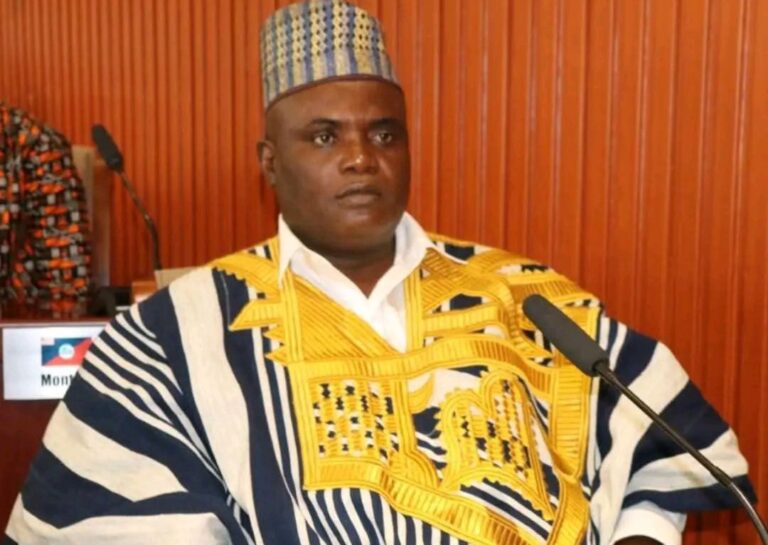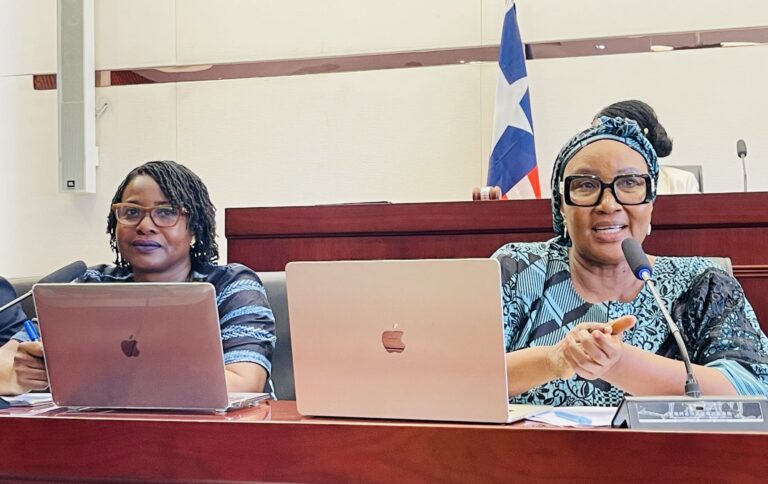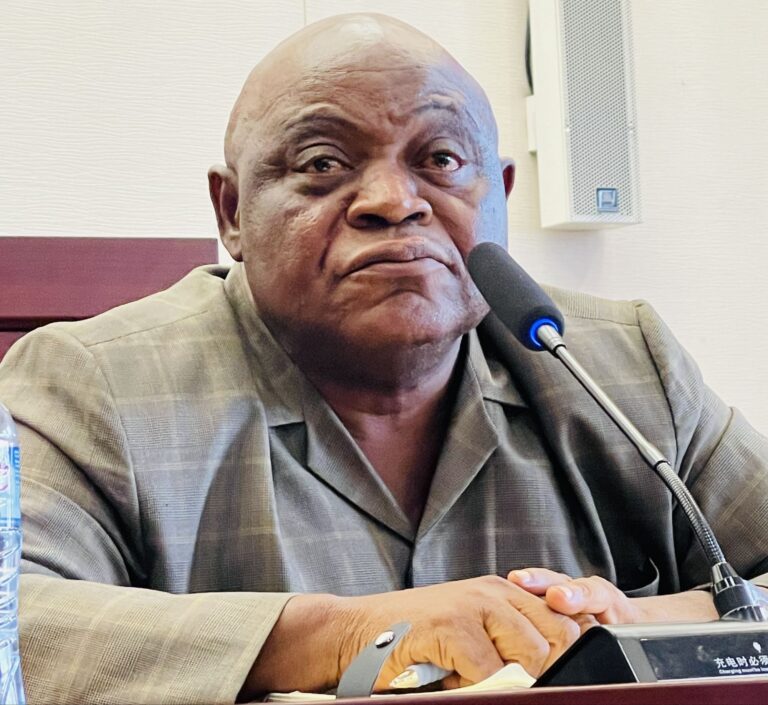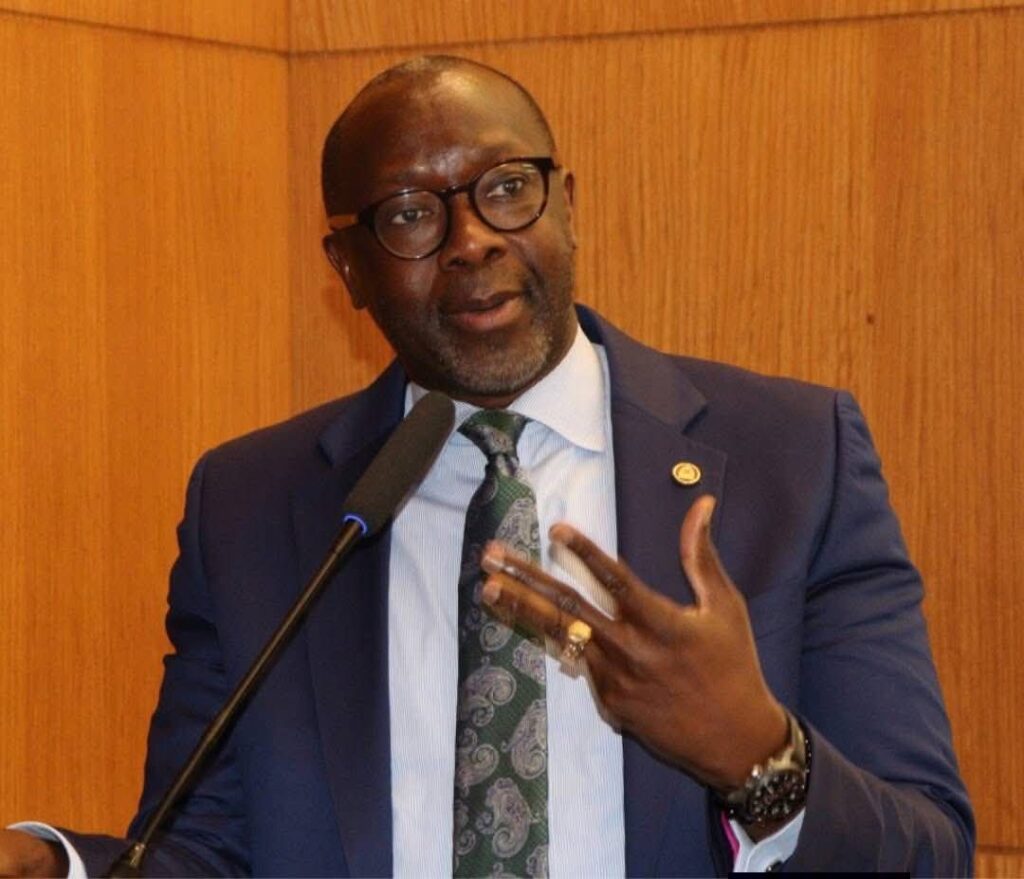
Monrovia, Liberia – Gbarpolu County Senator Amara M. Konneh has formally written Senate President Pro Tempore Nyonblee Karnga-Lawrence requesting an update on the establishment of Liberia’s long-anticipated War and Economic Crimes Court (WECC-L), warning that further delays could undermine justice, reconciliation, and national stability.
In a communication addressed to the Senate leadership, Konneh reminded Plenary of its overwhelming vote in April 2024 to establish the court in concurrence with the House of Representatives—an action widely viewed as historic in Liberia’s post-war journey.
Following that vote, President Joseph Boakai issued Executive Order No. 131 on May 2, 2024, creating the Office for the Establishment of the War and Economic Crimes Court. The order was later renewed in April 2025 through Executive Order No. 148, reaffirming the Executive’s commitment to advancing accountability for atrocities committed during Liberia’s civil wars from 1989 to 2003.
A Call Rooted in History and Personal Experience
Senator Konneh described the court as a moral and national imperative, emphasizing that more than 250,000 Liberians lost their lives during the conflict, while thousands more endured displacement, torture, sexual violence, and economic devastation.
“For decades, victims and survivors have waited for justice,” Konneh wrote, noting that many lawmakers themselves bear the scars of the war. He stressed that justice is not merely about addressing the past but about safeguarding Liberia’s fragile peace.
Citing recent assessments from national and international partners, the senator indicated that an estimated 40 to 50 percent of Liberian households still include at least one member suffering from long-term trauma, disability, or psychological distress linked to the war. According to Konneh, the absence of formal accountability has perpetuated cycles of trauma, economic instability, and weakened community cohesion.
“Without justice and closure, these households remain trapped in cycles of trauma that continue to affect national reconciliation and our prospects for sustainable peace,” he warned.
Concerns Over Sustainability and Legislative Backing
While acknowledging progress made by the Office for the Establishment of the Court—including a roadmap that anticipates launching an anti-corruption component in 2026 and beginning war crimes trials in 2027—Konneh raised concerns about sustainability.
He cautioned that without formal legislative enactment and consistent long-term funding from both the Government of Liberia and international partners, the initiative could falter.
The senator also applauded Pro Tempore Karnga-Lawrence for her leadership in rallying senators to secure the 2024 vote but urged renewed urgency to ensure implementation does not stall.
“The Fifty-Fifth Legislature will be remembered for our action or inaction on this matter,” Konneh stated, adding that no title or seniority would shield lawmakers from the judgment of history.
Political Sensitivities and International Dynamics
In a pointed reference to Liberia’s complex war legacy, Konneh noted that even the late Senator Prince Yormie Johnson, who had faced accusations related to the 1990 killing of former President Samuel K. Doe, supported the establishment of the court.
Konneh further requested that the Senate invite Dr. Jallah A. Barbu, Executive Director of the Office for the Establishment of the War and Economic Crimes Court, to appear before the Committee of the Whole. He called for a comprehensive briefing on:
• Progress made by the office
• Status of financial and technical support
• Diplomatic engagement with international partners
• Potential political resistance in key partner countries, particularly the United States
The senator emphasized the need for transparency, victim-centered processes, and strict compliance with international standards.
A Defining Moment for Liberia
Liberia remains one of the few post-conflict nations that has yet to prosecute war-time atrocities domestically, despite recommendations from the Truth and Reconciliation Commission (TRC) nearly two decades ago. Advocates argue that establishing the WECC-L would signal a decisive break from impunity and strengthen the rule of law.
Konneh concluded his letter by urging Plenary to act decisively, asserting that justice for victims is essential not only for closure but for national healing and global credibility.
“The path before us is clear, peaceful, and just,” he wrote. “It is a path that will earn global admiration for our courage.”
About the Author